Why a dhow cruise
Why a dhow cruise
The Norway of Arabia
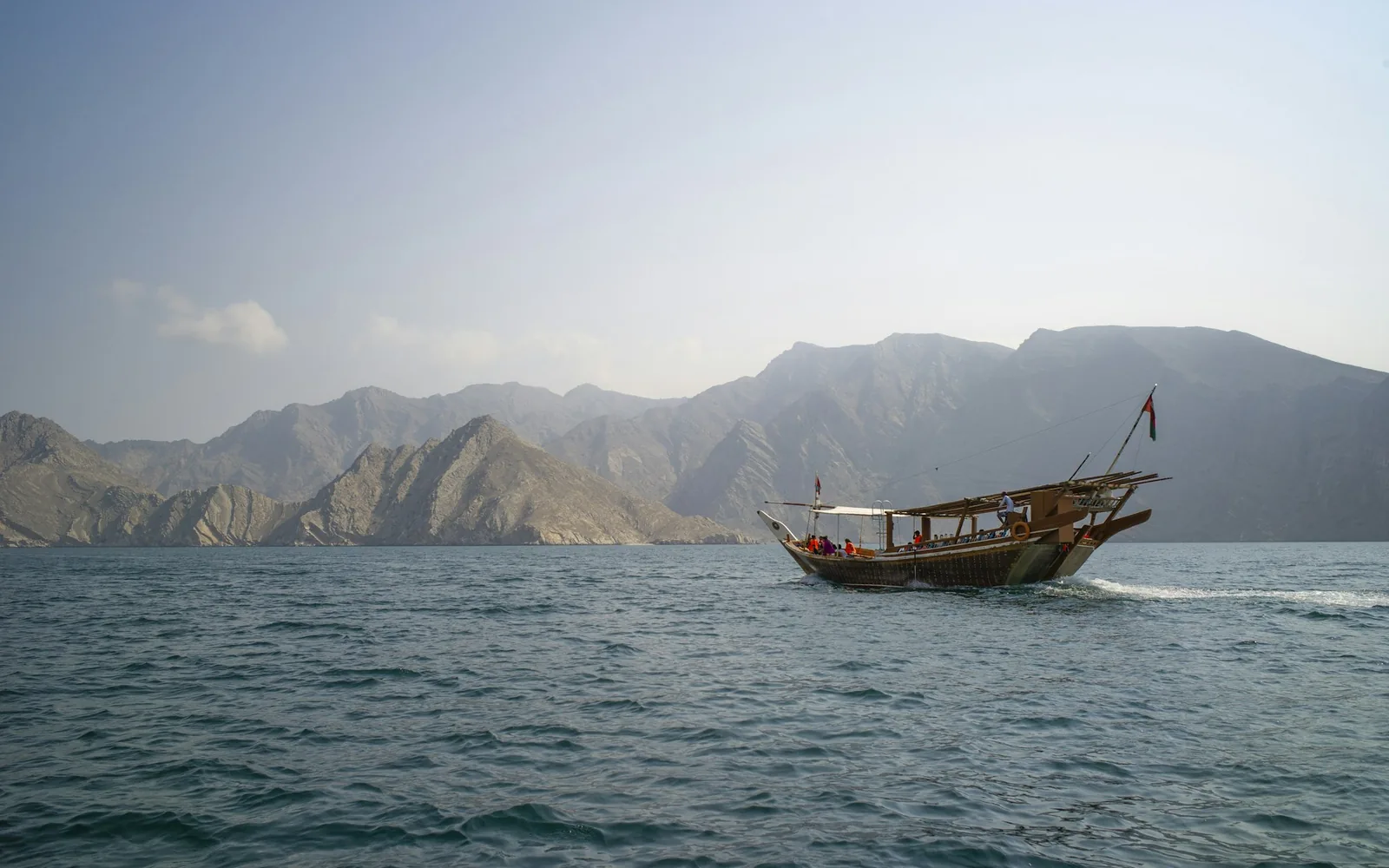
Musandam is one of the Gulf's great surprises: a peninsula where the Hajar Mountains plunge straight into the sea, carving a coastline of steep-walled inlets — khors — that look far more like Norwegian fjords than the Arabian desert. The only way to see them properly is from the water, and the traditional way is by dhow.
A slow day on a wooden boat
A dhow cruise is deliberately unhurried: you lounge on carpets and cushions on the open deck as the boat drifts between the cliffs, stopping to swim in glassy turquoise coves. Bottlenose dolphins regularly ride the bow wave, and an Omani buffet lunch is served on board. It's a day of sun, sea and stillness.
Telegraph Island and the snorkelling
The classic stop is Telegraph Island, a small rock in a sheltered khor that once held a British telegraph relay — and gave the phrase 'to go round the bend'. The water around it is clear and calm, ideal for the snorkel that most cruises include, with colourful fish among the rocks.
What you'll see
What you'll see
A Musandam dhow cruise is a loop out through the fjords and back, with time to swim, snorkel and simply drift. Operators adjust the stops depending on sea conditions and the day's group, but these are the spots you'll most likely see.
- Casting off
Out from the harbour
The dhow sets off from Dibba or Khasab into the first khor, the cliffs rising sheer on either side and the water turning from deep blue to turquoise as you enter the sheltered inlets.
- On the bow
Dolphins in the khors
Pods of bottlenose dolphins often meet the dhows in the fjords, riding the bow wave and leaping alongside — one of the day's reliable highlights, best watched from the front of the boat.
- Telegraph Island
The snorkel stop
The dhow anchors near Telegraph Island in a calm, clear khor for the main swim and snorkel — masks and fins are usually provided — over rocks busy with fish. A gentle spot, good for first-timers.
- On deck
Lunch and lounging
An Omani buffet lunch is laid out on board, and the rest of the time is yours to lounge on the deck cushions, sunbathe, or take another dip as the dhow moves between coves.
- Back in
The return sail
A last, unhurried sail back through the fjords in the afternoon light, the cliffs glowing gold, before the dhow returns to harbour and — for Dibba trips — the drive back across the border to the UAE.
The fjords & getting there
The fjords & getting there
Musandam sits apart from the rest of Oman, reached from the UAE side — here's how the pieces fit together.
An Omani exclave
Musandam is a piece of Oman separated from the rest of the country by the UAE, jutting into the Strait of Hormuz. Its fjords — Khor Ash Sham the largest — and its Omani villages give it a character quite different from the emirates next door.
From Dubai via Dibba
The most common day trip is from Dubai (and Sharjah or Ras Al Khaimah) to Dibba, on the Oman border, about two to two and a half hours by road. These trips cross into Oman, so you'll need your passport — the tour handles the paperwork, but check visa requirements for your nationality.
From Khasab
Khasab, the Musandam capital reached by road through Oman or by air, is the base for cruises deeper into the northern fjords, including longer full-day and overnight options. It's the choice if you're already in Oman or want the wilder scenery.
Half day or full day
Cruises run as half-day or full-day trips; the full day gives more time to reach the better khors, swim and see dolphins, usually with lunch included. Half-day trips are a lighter option if you're short on time.
Musandam, in pictures
Musandam, in pictures
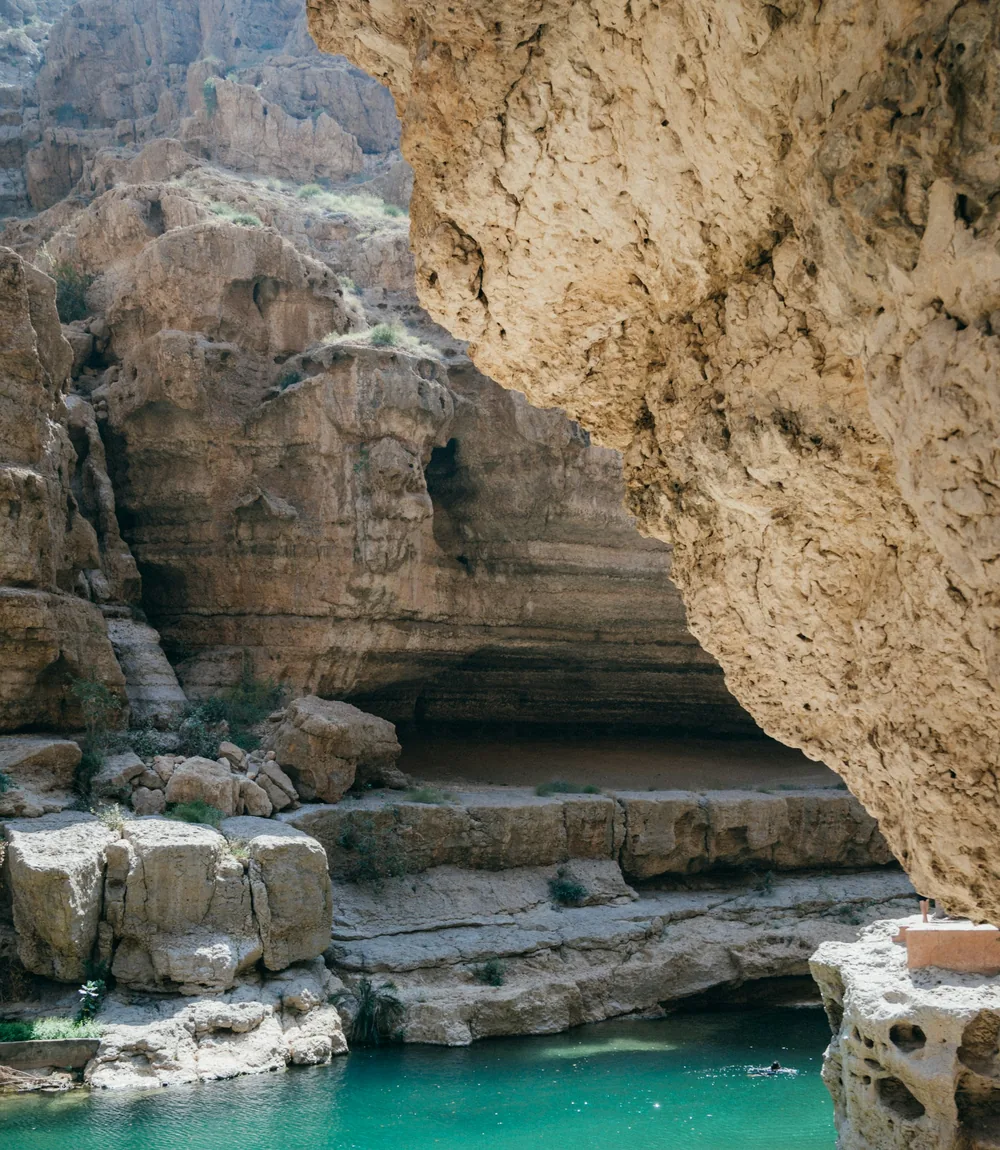
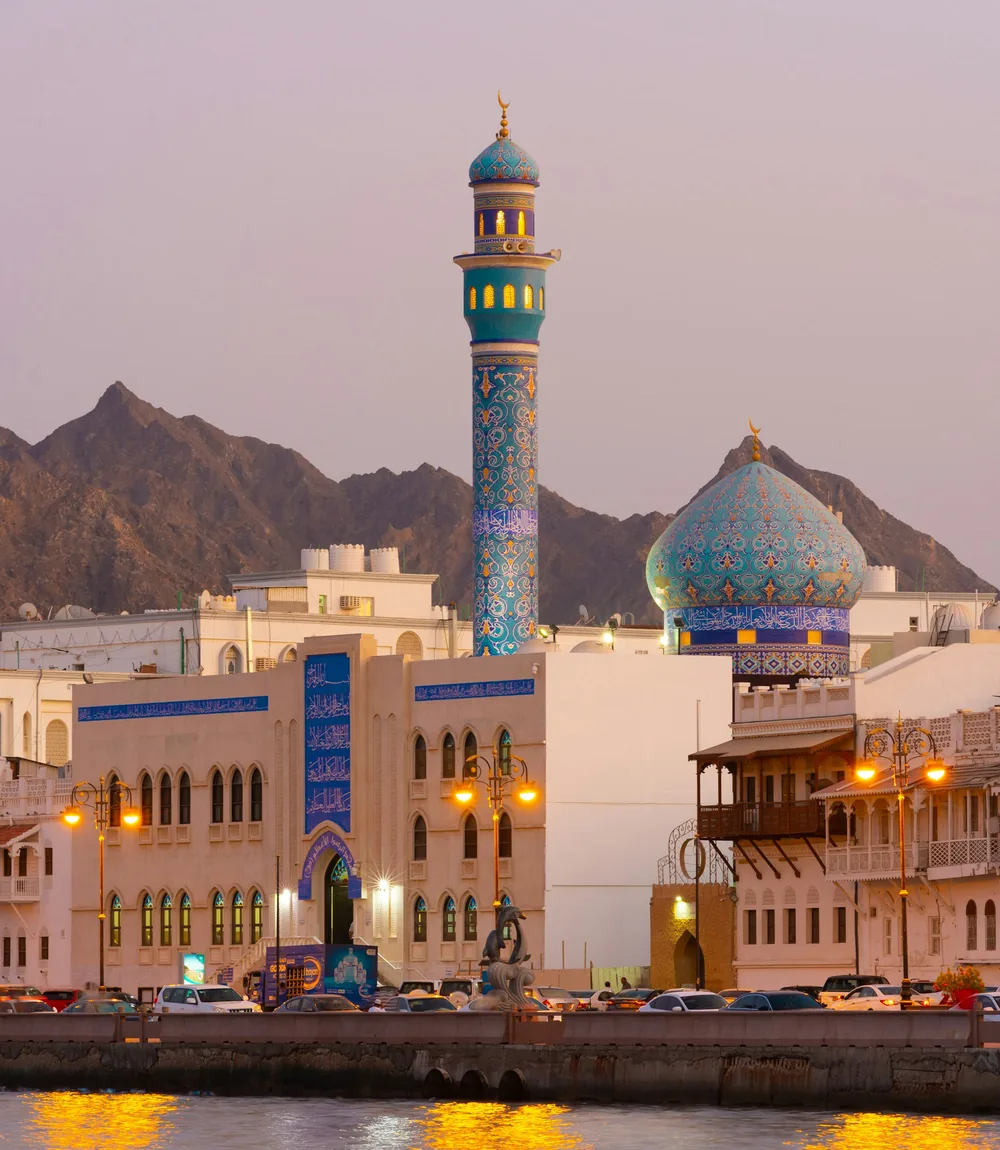
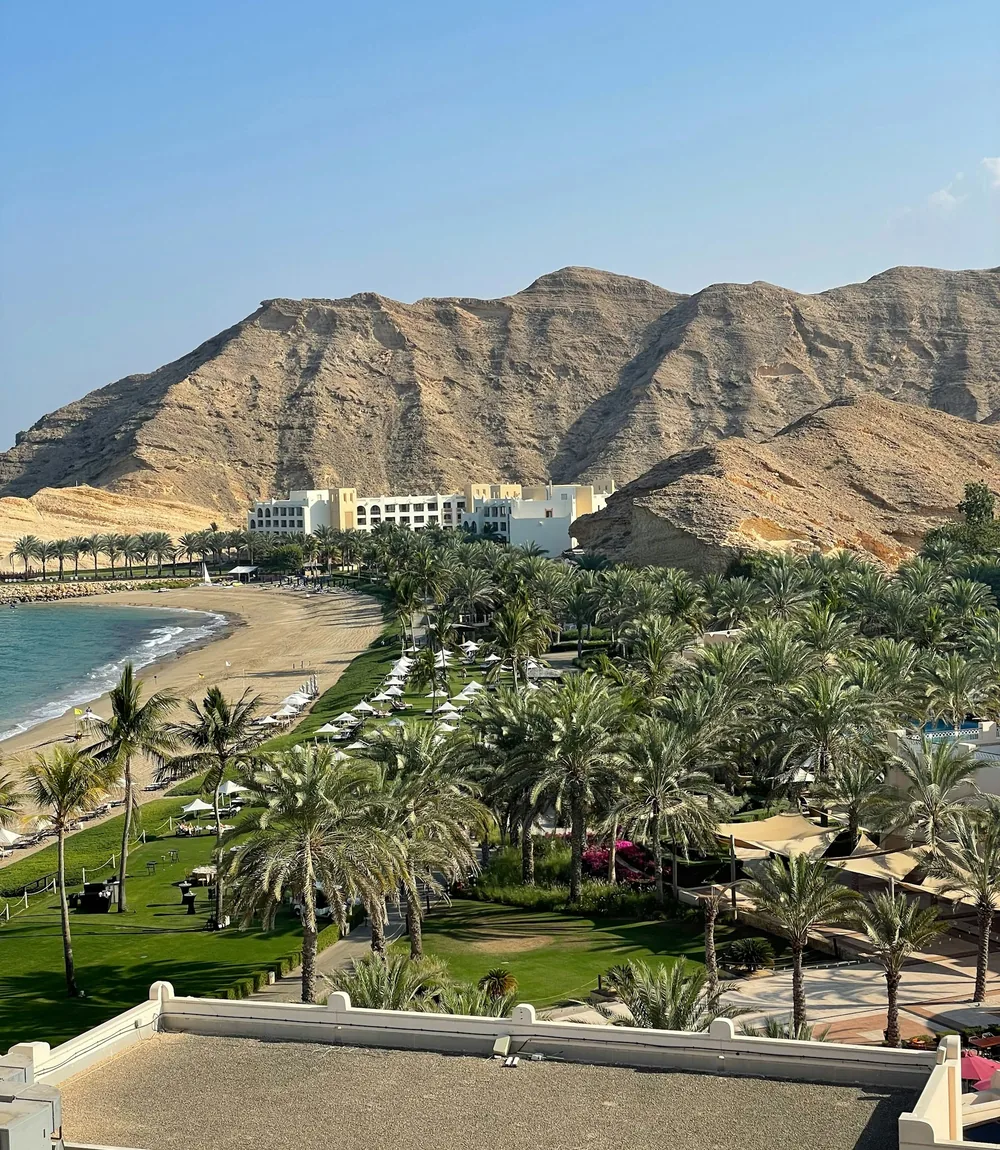
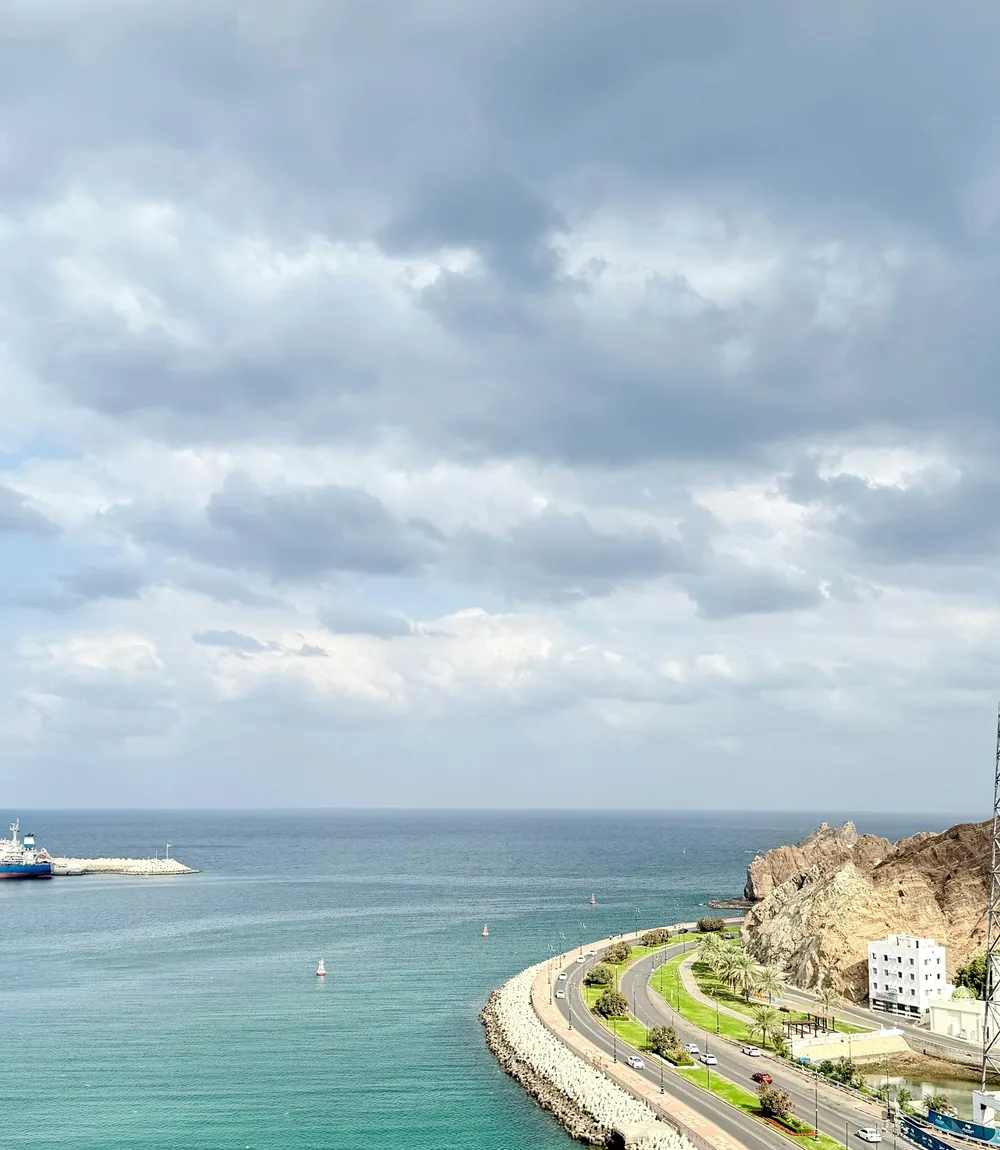
Fjord cliffs, turquoise water and dhow imagery to set the scene for your cruise.
Cruise options & what's included
Cruise options & what's included
| Option | What it includes | Good to know |
|---|---|---|
| Dibba full-day from Dubai | Transfers, border crossing, dhow cruise, snorkel and buffet lunch | The popular day trip; a long day but everything is arranged |
| Dibba half-day | A shorter cruise with a swim stop, from the Dibba side | Lighter option; less time in the fjords and on the water |
| Khasab full-day | A cruise into the northern fjords from Khasab, with lunch | Wilder scenery; best if you're already in Oman |
| With transfers | Hotel pickup from Dubai, Sharjah or Ras Al Khaimah | Saves arranging the two-hour transfer yourself; check your pickup point |
Ways to book a Musandam dhow cruise
Find a Musandam dhow cruise for your dates
Whichever route you pick — Dibba, Khasab, half day or full — the booking runs through GetYourGuide and the price converts to your currency before checkout.
Planning your day
Planning your day
Dibba or Khasab?
From Dubai, a Dibba day trip is the easy choice — it's the closer border and the trip handles the crossing. If you're already in Oman or want the deeper, wilder fjords and longer cruises, Khasab is the base, though it's harder to reach. Most first-timers from the UAE go via Dibba.
Bring your passport
Dibba cruises cross from the UAE into Oman, so you must carry your passport, and visa rules depend on your nationality — check before you book. The tour manages the border formalities, but it adds time to the day, so an early start helps.
Pack for sun and sea
Bring swimwear, a towel, strong sun protection and a hat — there's little shade on parts of the deck — plus a light layer for the breeze on the water. Most cruises provide snorkelling gear, but bring your own mask if you're particular. Waterproof your phone.
When to go
The cooler months from roughly October to April are ideal: calm seas, comfortable temperatures and the best chance of dolphins. High summer is very hot on an open deck. Mornings are calmest on the water whatever the season.
Booking flexibility
Cancellation is free up to 24 hours out, or a date can be booked today with payment settled nearer the time — useful when the weather forecast won't sit still. Booking ahead is wise in the cooler high season, when cruises fill up.
Planning a Musandam day
Planning a Musandam day
Musandam dhow cruise: Dibba or Khasab, half day or full?
How the Dibba and Khasab cruises compare, what the Oman border crossing and the Telegraph Island snorkel involve, and whether a full day is worth it.
Read more →Why Musandam Looks Like Norway: The Geology of the Khors
Read more →The Traditional Dhow: Boat, Builders and How It Sails
Read more →The Marine Life of Musandam: Dolphins, Reefs and Fish
Read more →Telegraph Island: The 1860s Outpost Behind 'Round the Bend'
Read more →Musandam: Oman's Exclave on the Strait of Hormuz
Read more →GEO/FAQ
Musandam dhow cruise questions
What is a Musandam dhow cruise?
It's a day out on a traditional wooden Omani boat — a dhow — through the fjord-like inlets of the Musandam Peninsula on the Strait of Hormuz. You cruise between steep cliffs and turquoise coves, usually with a snorkel stop at Telegraph Island, dolphins alongside the boat, and an Omani buffet lunch served on deck.
Do I need a passport for a Musandam trip from Dubai?
Yes, for the common Dibba cruises. They cross from the UAE into Oman, so you must carry your passport, and visa requirements depend on your nationality — check before booking. The tour handles the border paperwork, but the crossing adds time, so trips usually start early.
Should I cruise from Dibba or Khasab?
From Dubai, Dibba is the easier and more popular option — the closer border, with the crossing arranged for you. Khasab, deeper in Oman, is the base for cruises into the wilder northern fjords and longer trips, but it's harder to reach. Most UAE-based visitors go via Dibba.
Will I see dolphins?
Very often, though never guaranteed. Pods of bottlenose dolphins regularly meet the dhows in the fjords and ride the bow wave, which is one of the day's reliable highlights. Mornings and the calmer cooler months tend to offer the best sightings.
Is snorkelling included, and do I need to swim well?
Most cruises include a snorkel stop and provide masks and fins. The main stop, near Telegraph Island, is a sheltered, calm khor that suits beginners; you can stay near the boat or use a life jacket. You don't need to be a strong swimmer to enjoy it, but say so when booking if you're unsure.
When is the best time to go?
The cooler season, roughly October to April, is ideal — calm seas, pleasant temperatures on the open deck and good dolphin sightings. High summer is very hot with little shade on the water. Whatever the month, mornings are usually calmest.
Can I book with free cancellation?
Yes. GetYourGuide lets you cancel at no cost up to 24 hours before departure, and you can reserve your spot now while paying nearer the date — useful if you're still watching the weather. Check the cutoff time on the booking page before you confirm, since it can shift slightly by operator.